Apple's new MacBook Neo is their most repairable MacBook in years
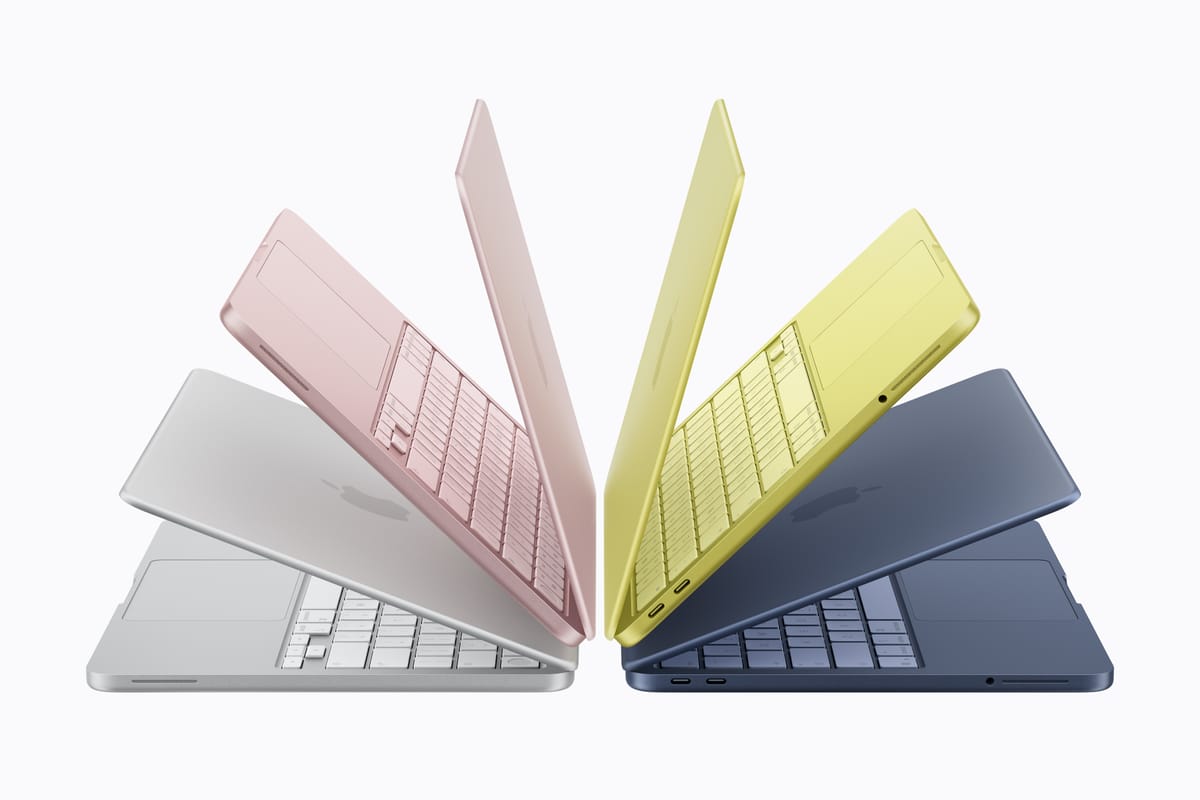
It's finally happening.
iFixit released their teardown report of the new MacBook Neo on Friday, and it is safe to say that it is an improvement from other MacBooks. Not only is it more repairable than other MacBooks, but iFixit believes that it is the most repairable MacBook in over "14 years." This is a great step towards building better, more reliable devices that can be easily trusted to work in environments like schools, where parts often need to be swapped and fixed.
The battery is secured with screws, not glue, on a tray that is supposedly very easy to remove. The same can be said about the keyboard, which can be removed still a good amount of effort (as there are 41 screws to remove), but no rivets are involved, which makes it much less tedious. The mechanical trackpad is fine to remove, and so are the speakers. The Neo also includes the other "modular bits and bobs [iFixit has] applauded in recent MacBook designs," like USB-C (not Thunderbolt on the MacBook Neo) ports.
The biggest issue is still the soldered components. Don't get me wrong, Apple silicon is a miracle and it has single-handedly saved the Mac line and fixed many issues common in computing as a whole. But the Unified RAM, while fast and extremely helpful for the integrated GPU, does not allow for upgrades after the fact. This is especially difficult on the MacBook Neo, as the RAM is only 8GB and cannot be upgraded whatsoever.
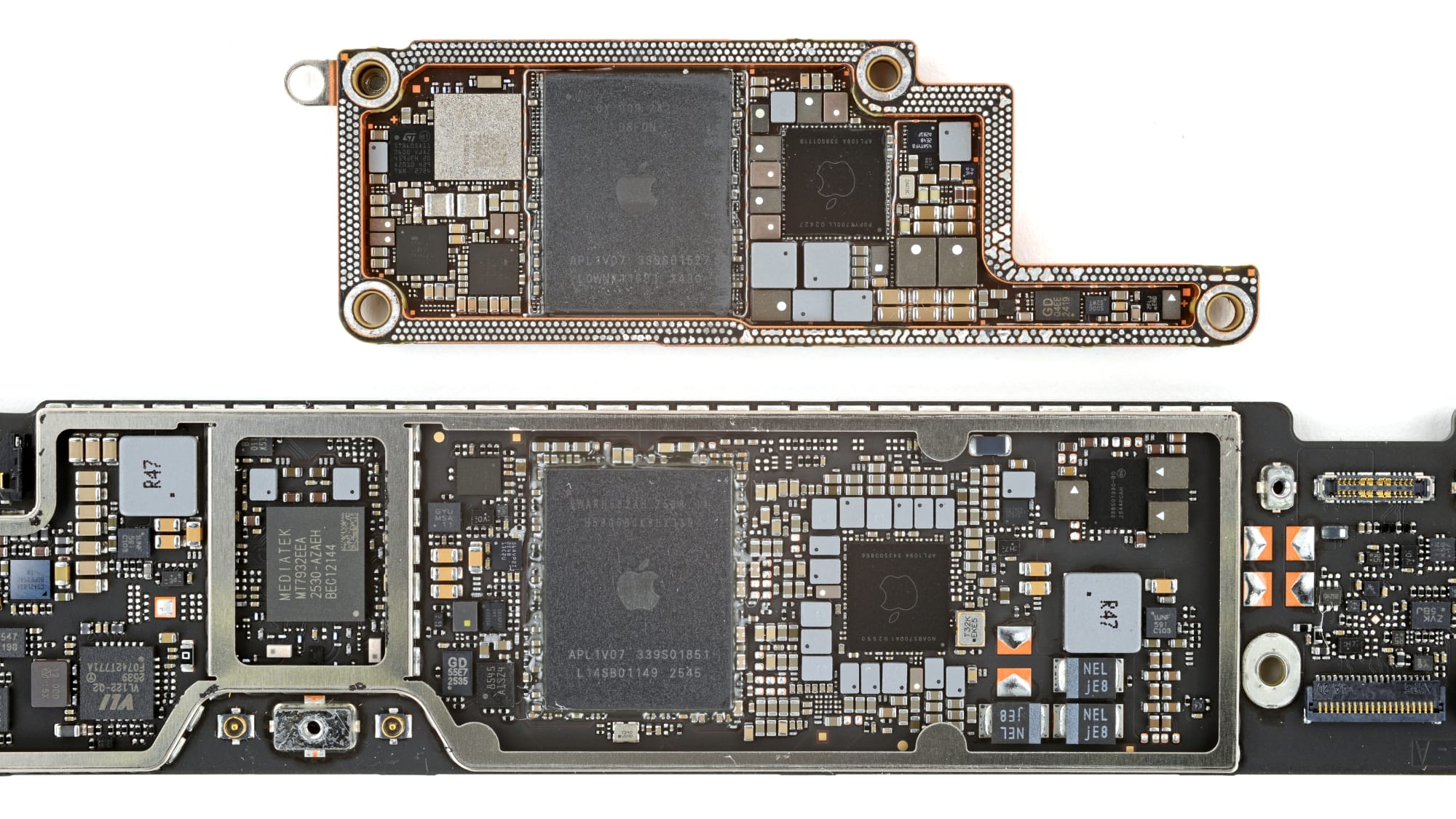
The same goes for storage. As Linus Tech Tips, along with many other creators and experts have noted, the PCIe NVMe interface for most, if not all, laptop SSDs, is "designed to scale to the data center level," so there should be no reason that it should be soldered on the MacBook Neo. In fact, the extra thickness afforded by the bigger battery and chunkier design could most likely accommodate the little bit of thickness that would be added from an NVMe SSD. The issue is that Apple solders the SSD controller to the SOC chip itself, so the storage chips are just chips, there is no compute there whatsoever.
But, why doesn't Apple use the removable, but still often hardware-locked, NAND flash modules found on the Mac mini or the Mac Studio? It is tough to say, but it almost certainly comes down to wanting consumers to pay more for more storage, especially in a lower cost product like this one. If users could go out and buy larger capacity flash modules, they wouldn't need to spend more on a MacBook Air to get a 1TB+ of storage.
However, despite all of this, the target audience is still often schools and college students, who don't necessarily need more than 512GB if most of their work is in the cloud anyways. But it is the flexibility that matters, especially if it means a school being able to save hundreds of dollars to replace a faulty SSD rather than a faulty MacBook.
The MacBook Neo is one of Apple's most repairable laptops in years, which allows for more longevity and better reliability for the MacBook. We will have to wait and see what Apple does soon.