ASUS announces WiFi 8 router
Already?
Earlier this week around CES, ASUS announced their first concept WiFi 8 router, the ROG NeoCore. They claim it is the "First Real-World WiFi 8 Performance Test." WiFi 8 should be a sizable leap, with faster data transfer speeds and lower latency, along with better multi-AP transitions and handoffs. However, with WiFi 7 only coming out to some devices like the iPhone 16 lineup from only last year, is WiFi 8 even needed?
It is important to mention that according to other wireless technology companies like Qualcomm, WiFi 8 is only expected to arrive around 2028, so it is definitely not finalized in the ROG NeoCore from ASUS.
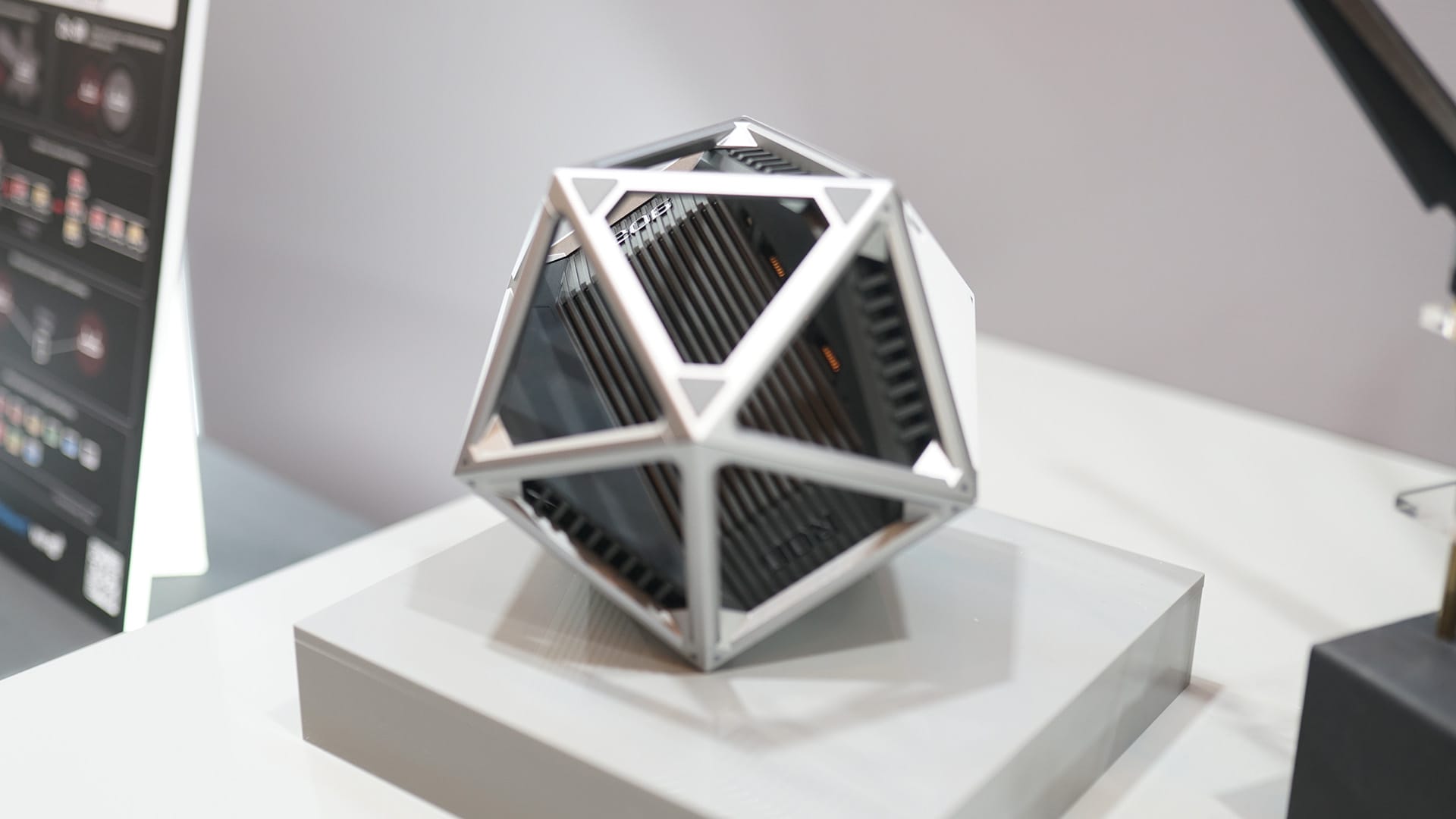
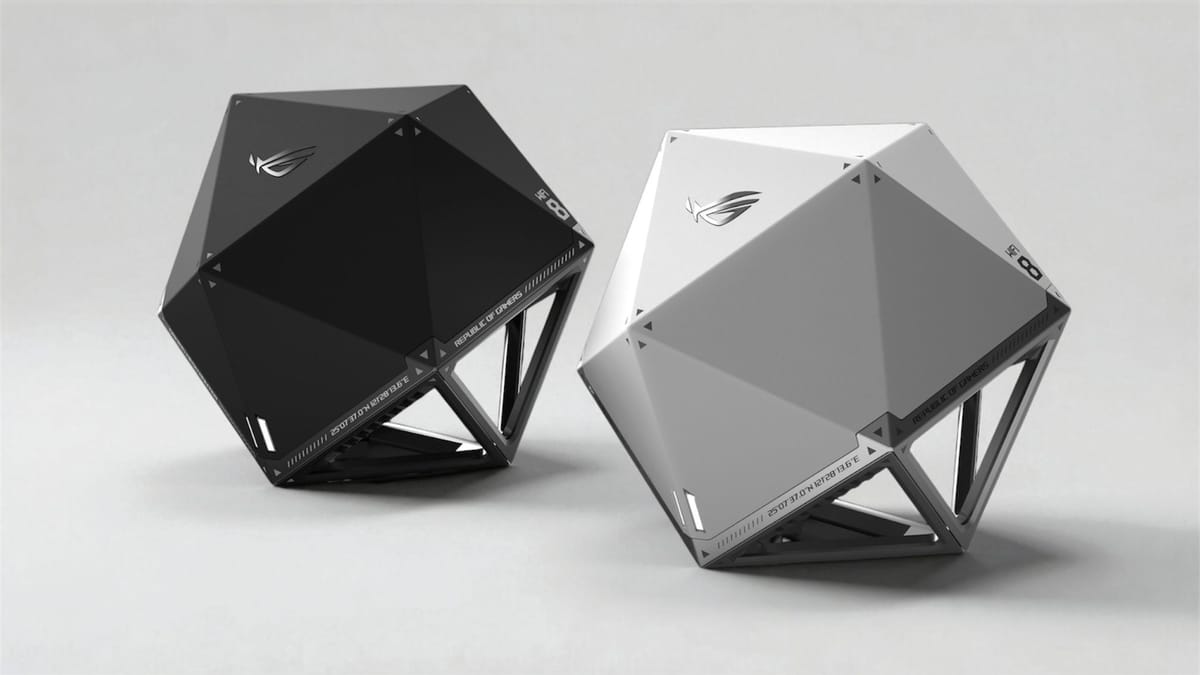
First off, this router looks like an alien spacecube of some sort, but still does appeal to ROG customers for sure. The futuristic design is interesting, and does bring character to an often very boring product. The one worry about this design is that the antennas may be harder to reach, as they aren't physically sticking out, but many routers have been moving away from this design anyways. The higher speeds and lower latency might need tweaking with the antennas, but for the time being, it should be fine.
ASUS does note that while the theoretical throughput of WiFi 8 is unchanged between it and WiFi 7, WiFi 8 consistently achieves higher speeds due to lower latency and smarter handoff. In fact, ASUS claims 6x lower P99 latency (how long it takes for a system like WiFi to complete 99% of requests), which is not something to be scoffed at. ASUS also claims "up to 2X higher mid-range throughput," and "2X wider IoT coverage." This most likely comes from improvements to latency like through P99 latency.
A key point that ASUS is trying to convey here is that network congestion is the priority. There are so many network congesting devices from neighboring WiFi networks that interfere with connection and serverly limit speeds. ASUS wants WiFi 8 to use smarter timings and scheduling to optimize performance and ensure "that every megahertz of bandwidth is used effectively."
That is very important and could be a large part of why so many people have WiFi issues nowadays. Many people have been saying for years that they don't care as much about WiFi speeds, as much as they want more stable WiFi, so WiFi 8 should help dramatically with this.
Either way, the ASUS ROG NeoCore is an interesting product and shows us the future of WiFi in an interesting way. We will have to wait and see what ASUS does soon.