Microsoft officially starts backing away from Copilot+ PCs

Wasn't this what we had hoped?
In recent interviews with WindowsCentral and Microsoft executives, Microsoft has revealed that the Copilot+ PC brand is dead. Users online have spotted that the once ubiquitous moniker for AI capabilities on Windows is now conspicuously absent from a large number of Windows machines, most notably, Microsoft's own Surface lineup. The last Surface models to be marketed as "Copilot+ PCs" were the 2025 models, with the more recent 2026 models dropping the brand.
When WindowsCentral inquired about this, Microsoft CVP Brett Ostrum said that the new Surface machines "are not called Copilot+ PCs. They do meet all the requirements of our previous bar for what Copilot+ devices are." So it is not that Microsoft is kneecapping AI and NPU performance in these latest Surface machines - rather, they are dropping the in-your-face branding that plagued Windows PCs starting way back in 2024.
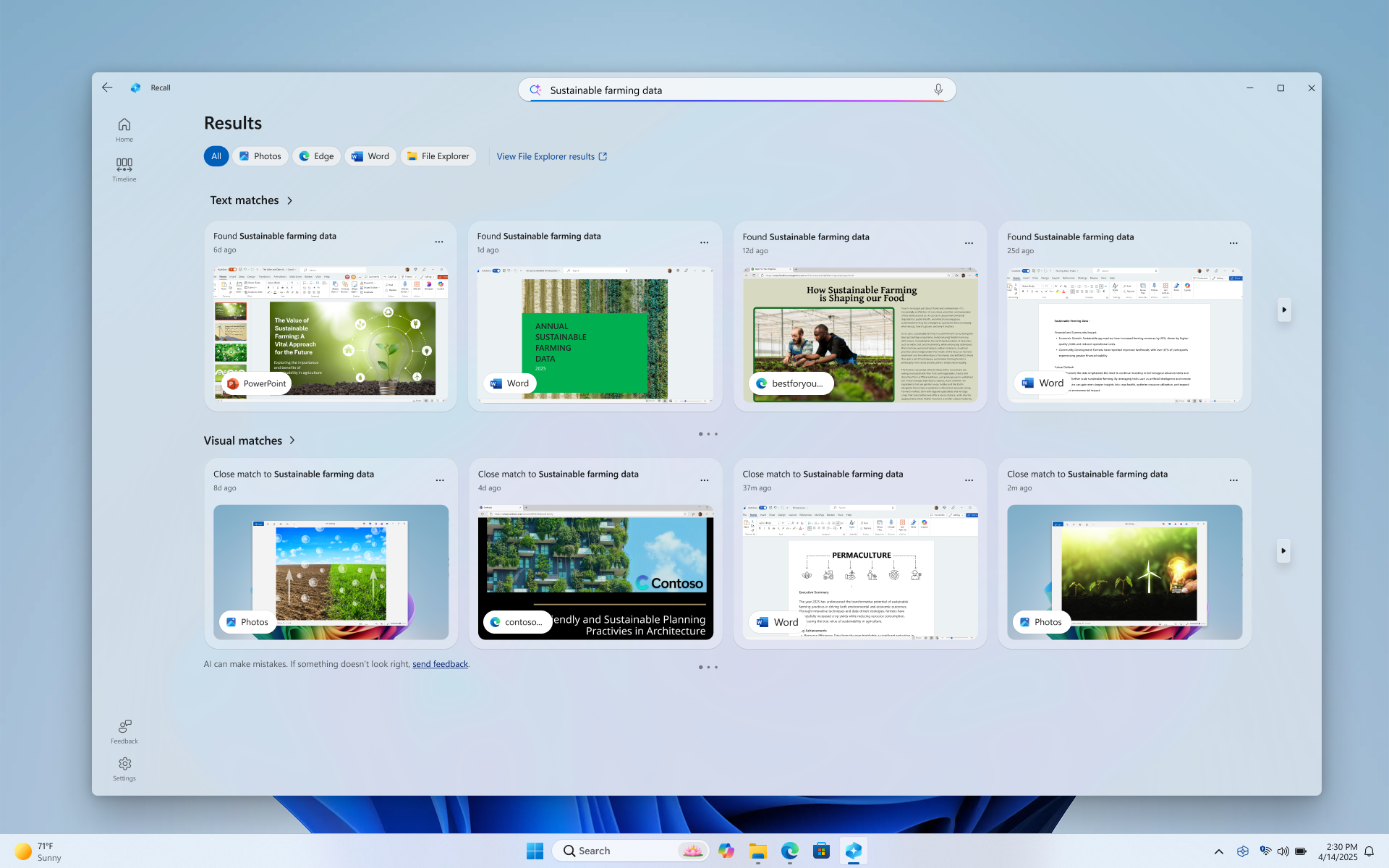
When Copilot+ was announced and released in 2024, much backlash followed the unveiling. The most notable feature, Recall, faced major delays and revisions as security concerns became most apparent. Recall essentially recorded everything you did on your computer and used AI to make it easily searchable and filterable.
This is a major privacy concern in it of itself, especially considering Microsoft's past struggles with data privacy. However, when users dug deeper, they found that the captures that Recall took were essentially left unencrypted and could be easily accessed. This was in spite of the fact that Microsoft officially advertised the feature as encrypted and secure.
Since then, it has been hard for Microsoft to come back with their Copilot+ PCs. So, it seems like 2 years later, with OEMs dropping the naming scheme, Microsoft has decided to remove the moniker but continue to innovate in the AI space.
This is a major step forward for the industry because the notion with AI in the past 3 or 4 years is that everyone should be implementing it everywhere. This has caused users to stand against AI because it ends up in places that it doesn't need to be. The marketing and implementation was too much too quickly and has discouraged users from adopting the new technologies.
Plus, the previous waves of AI implementation, when the marketing was at its peak, were not nearly as advanced as AI is now. If these companies had done everything the same but used the models we have today, things may be significantly improved because it would actually be smart enough and useful enough to work in these use cases.
However, they did not have what we have now yet, so the image of AI has been severely tainted. So, even if the features that Microsoft was creating were useful and genuinely helpful to the average person, it was bad timing and getting caught up in the poor marketing cycle that added insult to injury in Microsoft's struggle with AI.
Maybe as Microsoft tones down their marketing, people will see AI in a better light, and the features will be more useful to more people. This may be the true resurgence of Microsoft AI, just not as Copilot anymore.