The AI RAM crisis: what it is, why it's so important, and what you can do
Why is RAM so expensive?
It seems as though everyone is talking about the AI RAM crisis of the last month or so. Essentially, RAM prices are rising exponentially and it is all thanks to AI (mostly). What people tend to gloss over is why this is almost expected, even if it is still very shocking and harmful to the market.
For those who don't know, RAM is in essentially every single piece of electronics and computer hardware, and so it is very important for the cost of RAM to not skyrocket as it has done recently.
At its core, the extremely fast growing segment of AI is to blame for the RAM prices growing so fast. These new datacenters that AI runs off of need RAM and lots of it. Since these servers that host the AI models need often hundreds of gigabytes of RAM for each model, and since multiple AI models run on each server, each datacenter needs hundreds of terabytes of RAM split across each server to ensure the AI models run smoothly.
This causes a deficit in the market, as RAM is being bought up by these companies so quickly that RAM and chip manufacturers do not have enough time to catch up, since chip production is a calculated process that cannot simply be sped up. This then leads to demand for RAM from both the AI companies and the individual consumers surging as AI companies seek more RAM to expand their datacenters and consumers seek more RAM to put into their computers.

The trend recently, for most companies, has been to side with AI, as that will be the future, supposedly. Combine that with the fact that these large AI corporations usually have more power than individual consumers, and it makes sense why chip manufacturers often side with the AI companies since that is what will bring them the most money. However, this just widens the gap further, as less and less RAM is available and the cycle starts to repeat itself.
So, seeing that they need more and more RAM for their servers, AI companies are seeking RAM directly from the source of chip manufacturers like SK Hynix, Samsung and Micron. These chip manufacturers, knowing that AI is more profitable for them, again align with the AI companies, again increasing the deficit further. This has caused some manufacturers to shutter their consumer RAM businesses since the AI market is more profitable for them. Micron, a RAM manufacturer, did this with their consumer RAM business, Crucial, one of the most reliable and well-trusted brands in the space.
Crucial's shutdown planned for February 2026 has upset the tech community, as it is a clear sign that the industry is putting more thought and resources into AI as opposed to consumers. This whole situation is compounded by the fact that it looks as though the "AI bubble" could be real and could very well pop.
This "bubble" pop could cause large issues related not only to the AI companies that are producing the AI models themselves, but also the server hardware manufacturers, who, now that some of their largest buyers are either gone or not buying nearly as much, would take the blow and it could have massive effects on the industry as a whole.
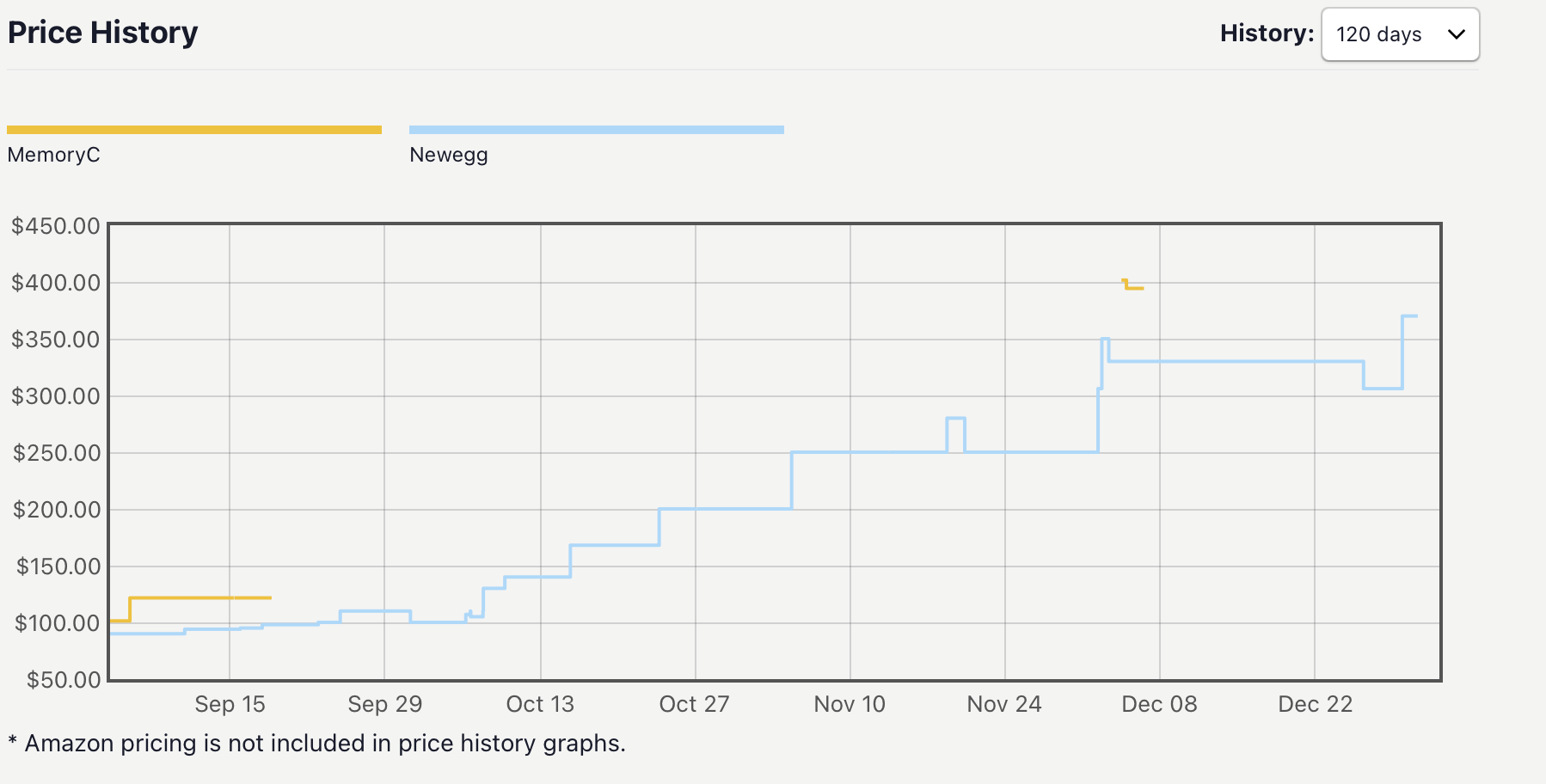
Although the bubble has not popped yet, the increasing demand for RAM and the surging prices of consumer RAM are still difficult for consumers to handle, as some kits of RAM have jumped from $99 in October to $369 now (G.Skill Flare X5 32GB as an example, according to PCPartPicker pricing data). These RAM chips are also in essentially every computer and electronic device with a chip, so not just RAM sticks are affected.
There is no real "best thing" to do about this RAM crisis, as it mostly is between the chip manufacturers and the AI companies themselves. However, holding off on a RAM purchase or upgrade may be necessary right now. Waiting it out, as difficult as it may seem, may be the most effective way to slow the crisis down.
TechRadar points out that in the long term, the best way for the crisis to slow is "new fabrication capacity, but building a DRAM fab costs billions and takes years." This is important, as it signifies that it may take time for RAM prices to cool, and a short-term fix may not be viable or sustainable. So, the best way to combat the prices is to wait it out and wait for new factories to be built for the RAM prices to cool.
The RAM price surge is affecting everyone, and many businesses are struggling with what to do. We will have to wait and see what happens soon.