AI is killing Apple silicon
It was just too good to be true.
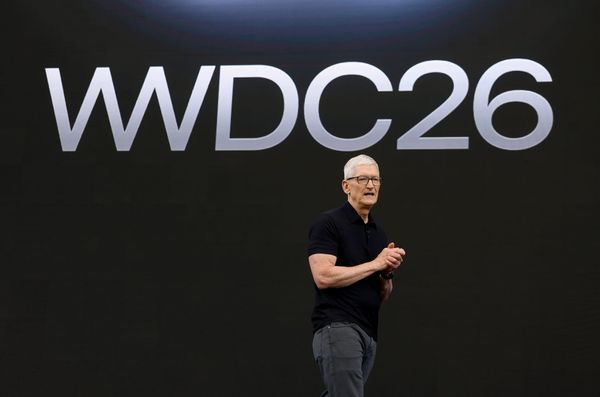
Apple's WWDC26 was earlier this week and it brought numerous, rumored changes to all of Apple's OSes. The biggest improvements are all related to Siri AI and stability, which were both desperately needed. However, the way that Apple has made the best features not available for hardware that was promised these features 2 years ago with Apple Intelligence hampers the image of the event.
The biggest change was with Siri AI. Siri finally now contains the full AI model that was promised at WWDC24 2 years ago, and then was delayed numerous times, eventually ending in a lawsuit. Just as the rumors said, the new Siri AI, as Apple now calls it, is based on Google Gemini models. These models seem to be running mostly on servers for many of the biggest features, but the "most powerful on-device models" are only available for the newest devices.
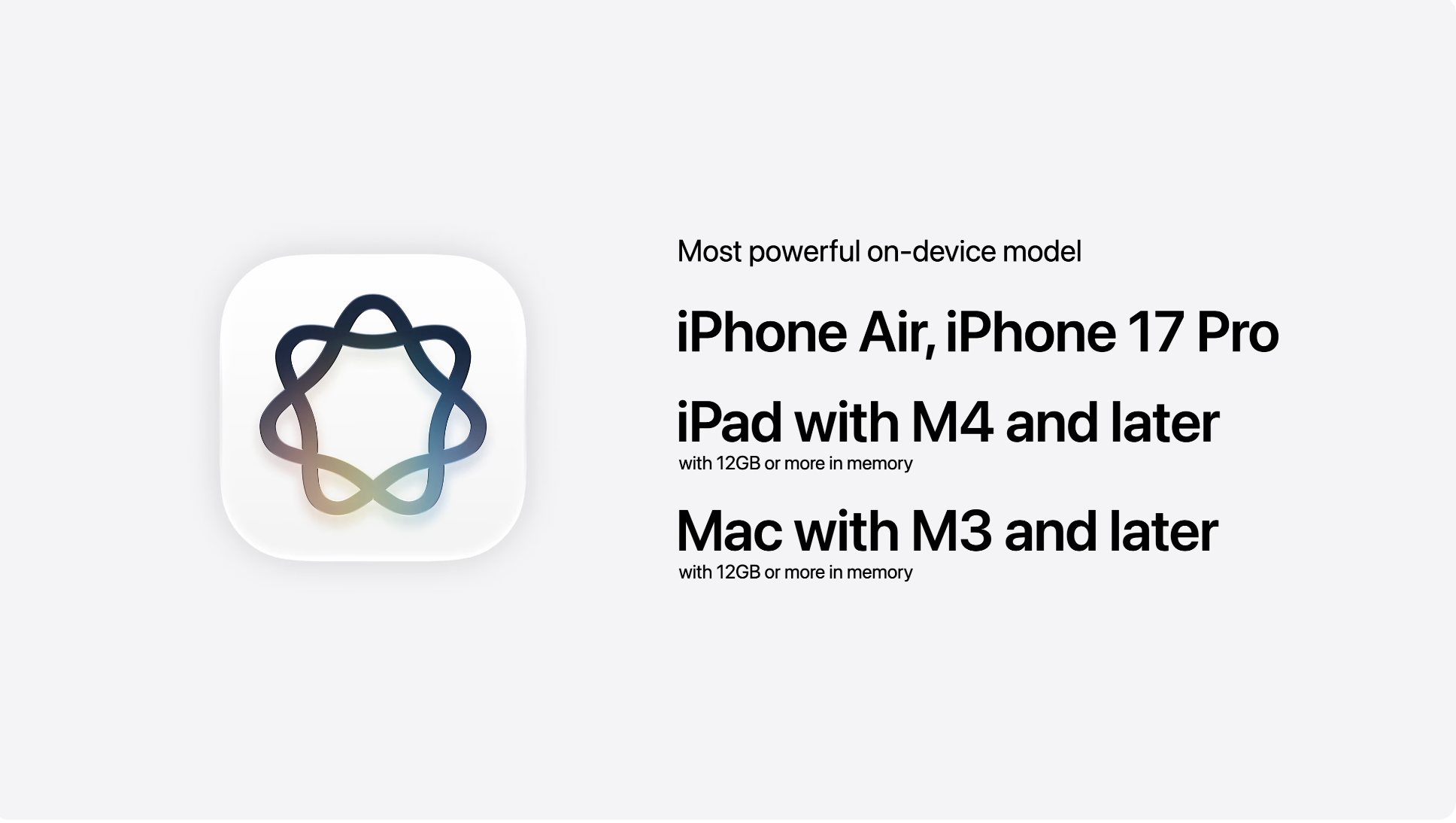
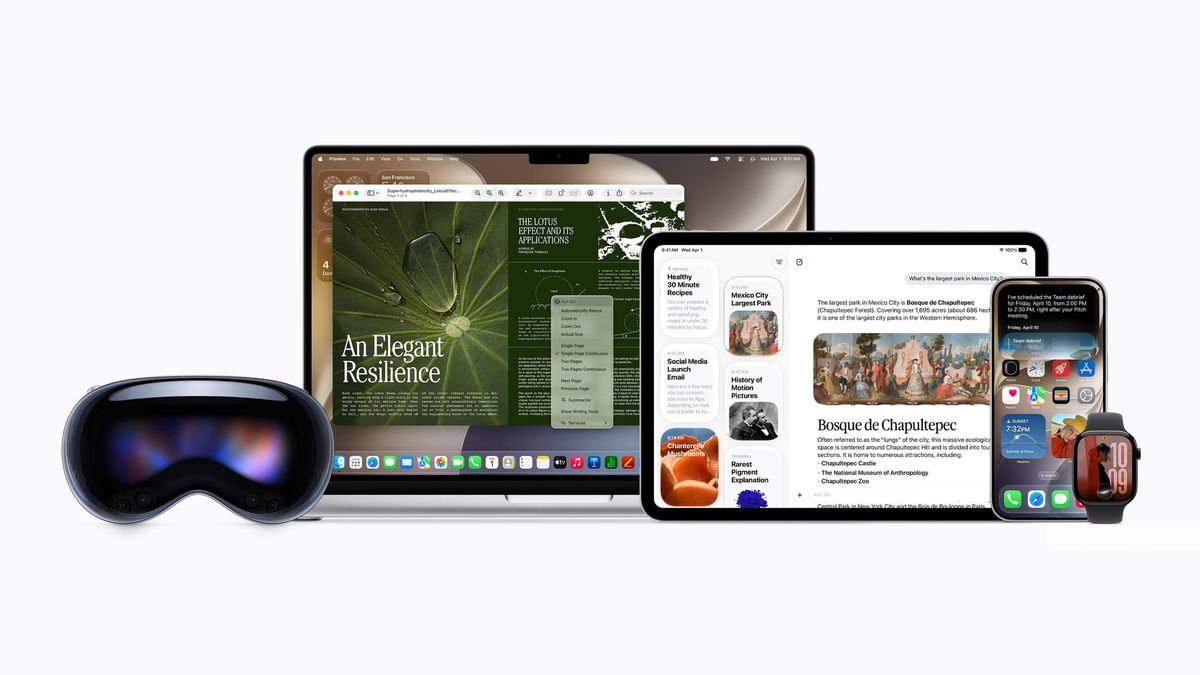
This is the dilemma with the AI models and improvements in iOS, macOS, and iPadOS 27. The AI updates promised will come to all of the devices that were promised Apple Intelligence previously, but the best models will only come to iPhone 17 Pro/Max, iPhone Air, Macs with M3 or later and 12GB RAM, and iPad with M4 or later and 12GB of RAM. The RAM is the biggest issue, because even on a base iPad Pro M4, a very capable and powerful device, you do not get the best on device models.
At the beginning of Apple silicon's lifespan, specifically with the M1 MacBook Air, the prospect of the power that essentially matched the 2019 16-inch MacBook Pro painted a very positive image for the new Apple silicon future. If power of that level was shipped in devices at the price point of $699 with the Mac mini or $999 with the MacBook Air, the future of computing was much better than was previously thought.
The idea was that Apple silicon Macs would get software support for possibly a decade or longer, up from the 5-7 years of support on Intel-based Macs. That is, until WWDC26 with the release of the new and improved Apple Intelligence.
Since the standard of 16GB RAM on Macs only came about 3 years into the Apple silicon lifespan, many of the Macs with Apple silicon only have 8GB RAM, not enough for the new and improved on-device AI models. This may significantly decrease the probable lifespan and support of Macs that are not M3 or newer, or 12GB of RAM or more.
This is not a game changer for most people, as the AI models still mostly run in the cloud. Plus, the usefulness of AI is still unknown, and its capabilities on a deeper level are still being discovered.
However, this may not be the viewpoint of Apple, and they may start pushing for more AI support and integration as the main focus for Apple devices. There is no way to really tell what Apple can do and what Apple will do, and they may take a more reserved approach to AI, because of their previous failures and class-action lawsuits.
None of this is strictly Apple's fault, as AI was brought about into the future of Apple - Apple did not bring itself into AI's future. Apple is not decreasing the lifespan of its Macs really, it is mostly just the prospect of AI and its position at the forefront of the world's supposed future.
The rest of WWDC26 was essentially just stability and speed improvements from Apple. Apple continued to boast about the speed improvements for all devices, even the iPhone 11, which is still supported in iOS 27, despite the rumors of it being cut off. This is a much needed change to Apple's approach, as iOS 26 and Liquid Glass brought about great and refreshed visual and structural updates, but the stability was not nearly as cared for. The event felt short, but the fact that they had less to say means that more care was put into features that are not seen, like speed and stability. iOS 27 may be the biggest stability update Apple has had in years.
WWDC26 was less packed as other events, but still contained much about the future of Apple and iPhone. We will have to wait and see what Apple does soon.