MacBook Neo faces supply chain issues as demand ramps up

It's just too popular.
The brand new $599 MacBook Neo and its astonishingly high sales seems to be exceeding Apple's expectations – with success that may create a problem for Apple. Apple set their sights on selling only around 4-5 million units in its first year, but the marketing was enough for Apple to ramp up production to 10 million units. The laptop is in high demand, since a real budget MacBook has not been seen before.
The biggest cost-saving measure on the MacBook Neo is the A18 Pro chip. This chip was initially released on the iPhone 16 Pro in 2024, and it has proven to be perfectly fine for the MacBook Neo. Apple is taking advantage of their silicon's ARM architecture to run fast, with costs low. Its performance is similar to the highly popular M1 MacBook Air, and is able to run basic apps like Safari with ease.
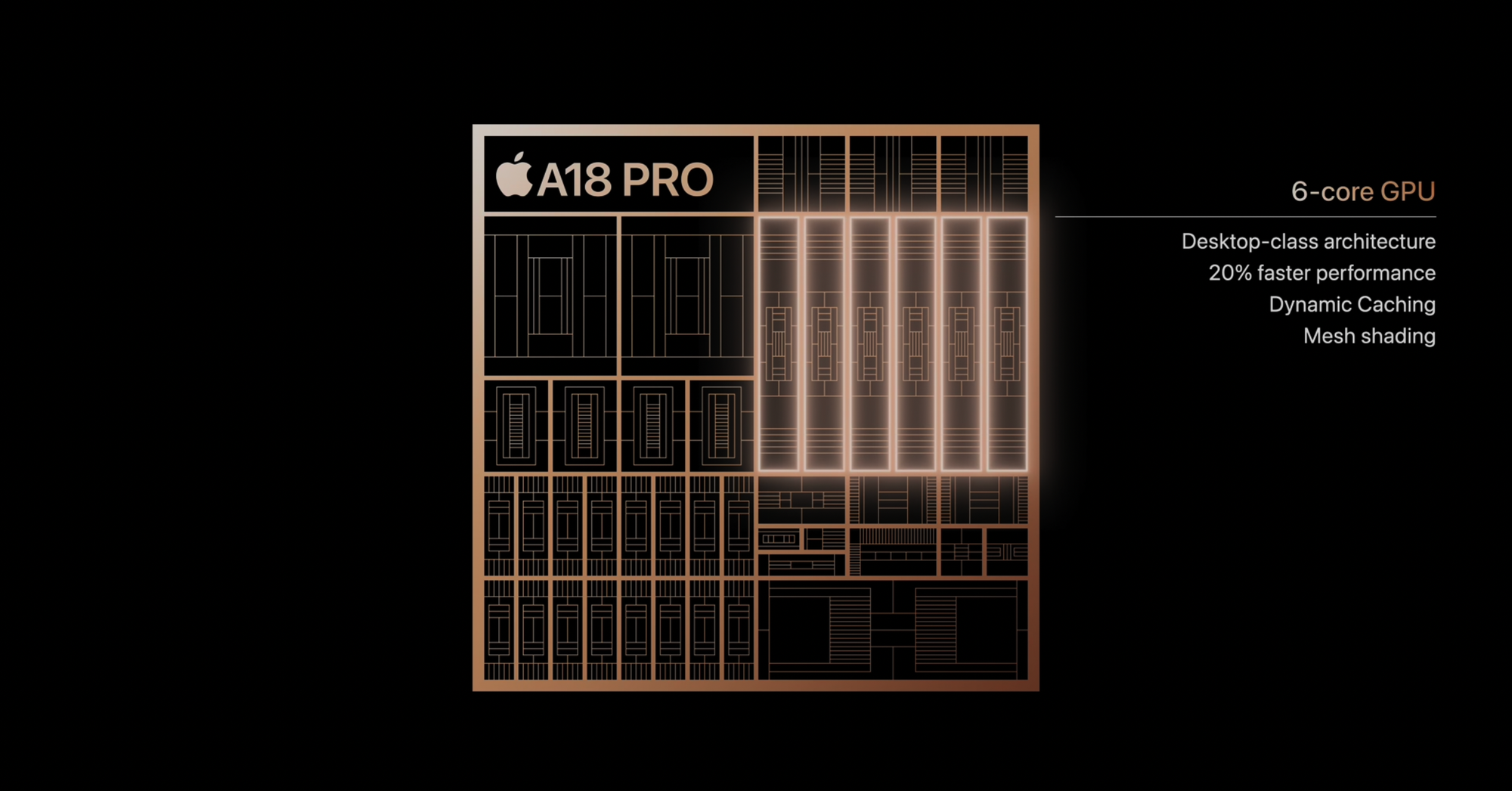
The way they are doing this is by binning the chip to only have 5 GPU cores, instead of the full 6 GPU cores. This doesn't hinder performance significantly, but it allows Apple to use chips with minor defects in one GPU core. Instead of discarding these mostly fine A18 Pro chips, Apple can disable a GPU core and put them in the MacBook Neo.
These partially defective chips perform nearly identically to the non-binned versions, but Apple is able to get a deal with their supplier because they are still considered "defective". As Ben Thompson from Stratechery puts it, "You could make the case that some number of these chips are effectively free for Apple!" However, this creates a dilemma.
Since the demand for these chips is now markedly higher than before, Apple can't rely on using chips with defects, since the amount of chips with a defective GPU core is not infinite. Apple may have to start producing "perfect" chips (ones with no defects), which increases costs – removing the budget aspect of the device, which is what makes it so compelling.

Apple will almost certainly not leave this extraordinary demand on the table, and will have to figure something out to either reduce costs elsewhere, or have the chip cost eat into the profit margins. They may pay TSMC to reramp up production to meet the demands of the MacBook Neo, but again, that would increase costs either for them (lowering the profit margin), or for the consumer (increasing the cost).
Apple also might speed up development and production of the next MacBook Neo model with A19 Pro, expected to launch next year. These chips would likely also have a binned GPU core. However, this creates the same issue as before. At some point, Apple may reach their limits with chips and a cycle will be created. To combat this, Apple may instead use chips that are not binned, if they can find a way to decrease costs enough to do so.
Apple's new budget-oriented MacBook Neo seems to be in high demand, which could cause a major chip problem for Apple, since there may not be enough chips to keep costs low for long. We will have to wait and see what Apple does soon.